


The Next Competitive Frontier Is Not the Store. It Is the Network.
For decades, retail growth followed a familiar path. Build more space. Add more inventory. Expand distribution step by step. Infrastructure defined ambition, and warehouses symbolized scale.
Today, that formula is being rewritten.
Retail is entering what can best be described as the Platform Fulfillment Era, a phase where shared logistics infrastructure replaces owned operational assets as the engine of growth. Brands are no longer scaling by accumulating physical capacity. They are scaling by connecting to intelligent fulfillment ecosystems that already exist.
This is not just an operational adjustment. It is a strategic realignment that is transforming fulfillment into a flexible, technology enabled growth driver.
Fulfillment Is Becoming a Platform, Not a Place
Traditional fulfillment was rooted in geography. Inventory lived in a specific building, and distribution radiated outward from that location. Expansion required duplicating that physical footprint across regions.
Platform fulfillment dissolves those boundaries.
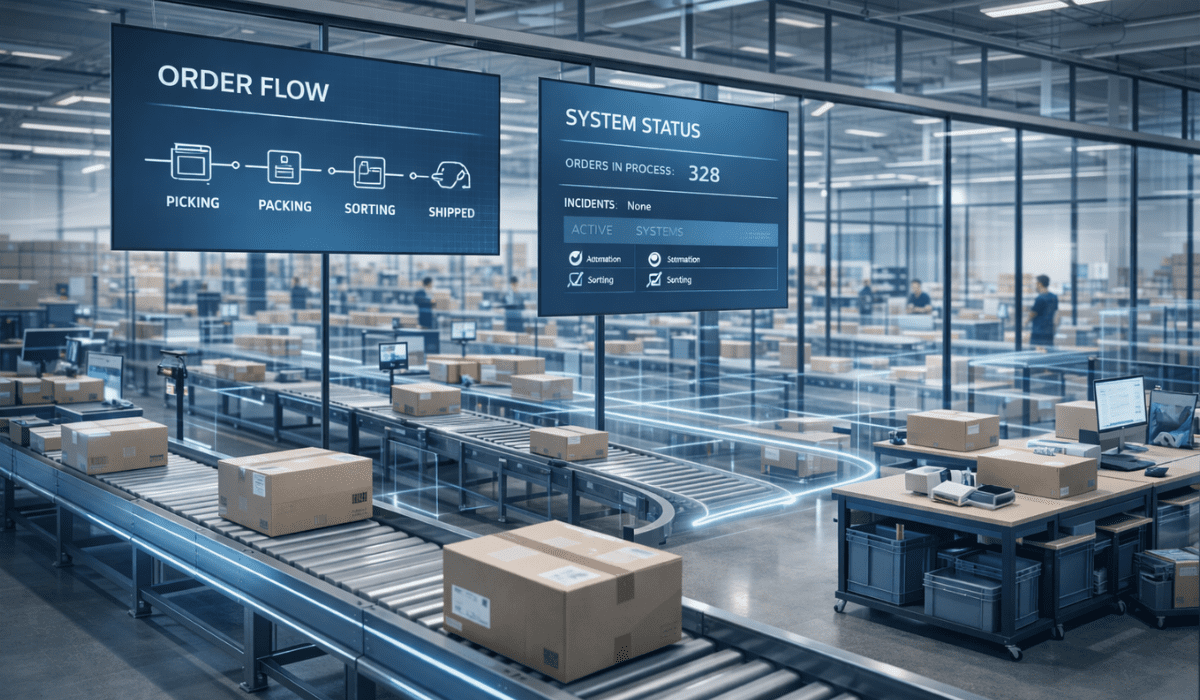
Shared logistics networks combine distributed warehousing, integrated order management, and coordinated delivery systems into a unified environment accessible to multiple brands. Inventory is dynamically positioned, orders are routed through optimized pathways, and delivery is executed through connected carrier ecosystems.
The warehouse is no longer the centerpiece. The platform is.
Why Brands Are Moving Away From Asset Heavy Models
Owning logistics once represented strength. Today, it often represents inertia.
Fixed infrastructure demands capital, limits flexibility, and slows adaptation. In contrast, platform based fulfillment allows brands to convert rigid operational costs into scalable service relationships. Businesses gain the ability to expand or contract capacity in response to real market demand rather than long term forecasts.
This transition frees resources for initiatives that directly influence brand equity, including product innovation, customer experience design, and digital engagement strategies.
Fulfillment shifts from being a constraint to becoming an enabler.
Digital Commerce Demands a New Logistics Mindset
Modern consumers experience retail as an always on environment. They expect availability, visibility, and rapid delivery regardless of where a brand operates. Meeting these expectations through isolated logistics systems is increasingly inefficient.
Platform fulfillment networks respond to this reality by embedding distribution into digital commerce flows. Orders move seamlessly from online storefront to coordinated fulfillment infrastructure without the friction of disconnected systems.
Brands that participate in these ecosystems gain operational sophistication without building it independently. They are able to deliver speed, reliability, and reach that align with contemporary consumer expectations.
Shared Infrastructure Creates Shared Momentum
One of the defining advantages of platform fulfillment is collective scale. Multiple organizations contribute to and benefit from the same logistics foundation. Facilities operate at higher utilization levels, transportation routes are optimized across aggregated demand, and technology investments are leveraged by every participant.
This shared momentum allows emerging brands to access capabilities traditionally associated with enterprise retailers. The barriers that once separated small, mid sized, and global players begin to erode when fulfillment is delivered through collaborative infrastructure.
Growth becomes less about size and more about strategic participation.
Stores, Systems, and Supply Chains Are Converging
The Platform Fulfillment Era is also reshaping the role of physical retail. Locations are evolving into multifunctional assets that support both brand engagement and localized distribution. A store may serve as a showroom, a pickup point, or a node within a broader delivery network.
This convergence signals a future in which retail is defined by connectivity rather than channel distinction. Physical and digital environments operate together within integrated fulfillment systems designed to deliver consistency and convenience.
The emphasis moves from where transactions occur to how efficiently products reach customers.
Technology Is the Architecture Behind the Transformation
Advanced software platforms orchestrate the complexity of shared fulfillment ecosystems. Predictive analytics guide inventory placement. Real time visibility tools monitor stock and performance across regions. Intelligent routing algorithms determine the most efficient delivery pathways.
These technologies transform distributed assets into coordinated networks capable of operating with precision at scale. For brands, this means access to logistics intelligence that would be difficult to replicate internally.
Technology does not simply support the platform. It defines it.
A More Agile Path to Market Expansion
Platform fulfillment also accelerates geographic expansion. Brands can enter new markets without constructing regional infrastructure. Inventory is positioned within existing networks, allowing companies to test demand, refine strategy, and grow presence without committing to permanent facilities.
This agility is particularly valuable in a business landscape characterized by rapid change. The ability to move quickly often outweighs the benefits of owning static assets.
Also Read: Rise of Intelligent Operations: Outsourcing Enters Its AI Era
Reframing Fulfillment as a Growth Engine
Perhaps the most important shift is conceptual. Fulfillment is no longer viewed as a back end necessity. It is becoming a front line strategic capability that shapes how brands scale, engage customers, and allocate investment.
By treating logistics as a platform based service, organizations unlock new pathways for innovation. They can focus on storytelling, differentiation, and customer connection while relying on shared infrastructure to deliver operational excellence.
In this model, fulfillment does not follow growth. It actively enables it.
The Retail Landscape Ahead
As the Platform Fulfillment Era matures, competitive advantage will increasingly hinge on how effectively brands integrate into these ecosystems. Success will depend on selecting the right partners, leveraging shared technology, and aligning logistics capabilities with broader brand strategies.
Retail is moving toward a networked future where value is created through collaboration, connectivity, and adaptability. Companies that recognize fulfillment as a flexible platform rather than a fixed asset will be positioned to thrive in this environment.
The shift is already underway. The brands that understand it are not just optimizing operations. They are redefining how modern commerce grows.